San Bernardino, California, contains many historic neighborhoods that tell the story of its development. Each area has unique architecture, cultural significance, and interesting stories. This guide explores these historic districts, showing how they shaped the city's identity.
The Arrowhead Historic District
The Arrowhead Historic District sits in north San Bernardino near the famous natural arrowhead landmark on the mountain. Many homes date back to the early 1900s. The district features Victorian, Craftsman, and Spanish Colonial homes.
The neighborhood became popular because of its location near the hot springs, which attracted visitors for their healing properties. These springs made San Bernardino a health resort destination in the late 19th century.
Key sites include:
- Several homes listed on the National Register of Historic Places
- Beautiful tree-lined streets with period lampposts
- The former site of Arrowhead Hot Springs Hotel
California Street Historic District
California Street Historic District represents one of the oldest residential areas in the city. The neighborhood contains homes built between 1880 and 1930. The architectural styles include Queen Anne, American Foursquare, and Craftsman bungalows.
This district played an important role in San Bernardino's growth period following the arrival of the railroad. Many railroad executives and business leaders built homes here.
The district maintains much of its original character despite facing challenges common to historic preservation.
Pioneer Park Historic Area
Pioneer Park sits in one of San Bernardino's first settled areas. The park itself dates to 1858 and serves as a reminder of the Mormon settlers who established the city. The surrounding neighborhood contains some of the oldest structures in San Bernardino.
The area includes:
- Historic Mormon stockade site
- 19th-century homes with period details
- The site of the first county courthouse
Downtown Historic District
The Downtown Historic District contains buildings that tell the commercial history of San Bernardino. Though many historic structures were lost to redevelopment, several important buildings remain.
Important landmarks include:
- Harris Company Building (1927)
- California Theater (1928)
- Heritage Building (1925)
- Santa Fe Depot (1918)
The Santa Fe Depot represents railroad architecture from the early 20th century. The Mission Revival style building played a key role when San Bernardino served as a major railroad hub. Today it operates as a transit center while maintaining its historic character.
Perris Hill Park Historic Area
Perris Hill became an important neighborhood during San Bernardino's growth in the 1920s. The area surrounds the historic Perris Hill Park, which opened in 1920.
The neighborhood features:
- California bungalow homes from the 1920s
- The historic Roosevelt Bowl amphitheater
- Perris Hill Park, one of the city's oldest public spaces
Base Line Historic District
Base Line Street served as an important development corridor in San Bernardino's history. The historic district along this route contains homes from various eras, mainly from 1900 to 1930.
The district gets its name from the Base Line, a surveying line that runs east-west across Southern California. This line formed the basis for property divisions throughout the region.
Preservation Efforts and Challenges
San Bernardino faces challenges in preserving these historic neighborhoods. Economic factors and development pressures sometimes work against preservation goals.
The city's historic preservation commission works to identify and protect significant structures. Their efforts include:
- Creating historic district designations
- Offering tax incentives for restoration
- Educating property owners about historic value
Cultural Significance
These historic neighborhoods represent more than just old buildings. They tell the story of different cultural groups who shaped San Bernardino. From Mormon pioneers to Mexican-American communities to railroad workers, each left their mark on the city's built environment.
Planning a Visit
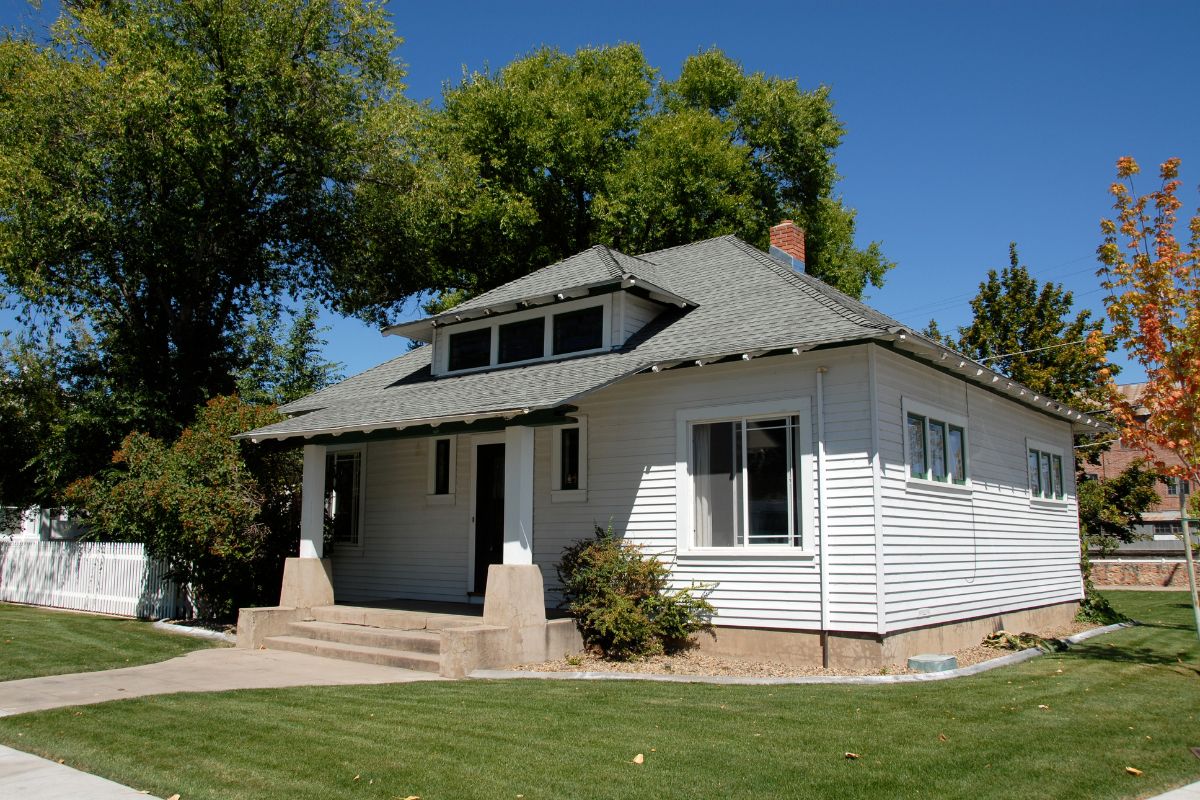
Those interested in San Bernardino's historic neighborhoods can take self-guided tours. The San Bernardino Historical and Pioneer Society offers maps and information. The society maintains the Heritage House, which provides insight into early San Bernardino life.
For visitors or those considering a move to the area, these historic districts offer character and charm not found in newer developments. When exploring potential neighborhoods in San Bernardino, consider both historic and modern options to find the right fit.
The Railroad Connection
The Santa Fe Railroad played a central role in San Bernardino's growth. Many historic neighborhoods developed to house railroad workers and their families. The railroad's influence appears in street patterns, commercial buildings, and residential architecture throughout the city.
Architectural Heritage
San Bernardino's historic neighborhoods showcase architectural styles popular from the 1880s through the 1940s. These include:
- Victorian (1880s-1900s)
- Craftsman (1900s-1920s)
- Spanish Colonial Revival (1920s-1930s)
- Minimal Traditional (1930s-1940s)
Each style tells something about the period when those homes were built. Victorian homes show the prosperity of early San Bernardino, while Minimal Traditional homes reflect the economic challenges of the Great Depression and World War II.
The Impact of Route 66
Historic Route 66 runs through San Bernardino, influencing several neighborhoods. The "Mother Road" brought travelers and commerce to the city, creating unique commercial districts with motels, restaurants, and service stations.
Many buildings from this era remain, though some face demolition threats. Preservation groups work to save these structures as important pieces of American transportation history.
Conclusion
San Bernardino's historic neighborhoods provide a window into the past. From Victorian mansions to humble worker cottages, these areas tell the story of how San Bernardino grew from a Mormon settlement to a modern city.
These districts face challenges but remain vital parts of San Bernardino's identity. Through preservation efforts, these neighborhoods continue to educate residents and visitors about the city's rich history.